
On this page
- 1 — Will and focused consciousness
- 2 — Intuitive awareness
- 3 — Love and creative imagination
- 4 — Life force and the realisation of power
- 5 — Teaching and learning
- 6 — Relationship and choice
- 7 — Mastery through change
- 8 — Courage and self-esteem
- 9 — Introspection and integrity
- Your practice
- Key points
- SOURCES & READING
In Tarot Constellations: Patterns of Personal Destiny (1987), Mary K. Greer noticed that the twenty-two Major Arcana are not a random parade of images. When you reduce each card's number to a single digit (1–9), the cards fall into nine families she called constellations. Every card in a family shares a numerological root, and so shares an underlying principle — a single theme the tarot explores at different octaves of experience.
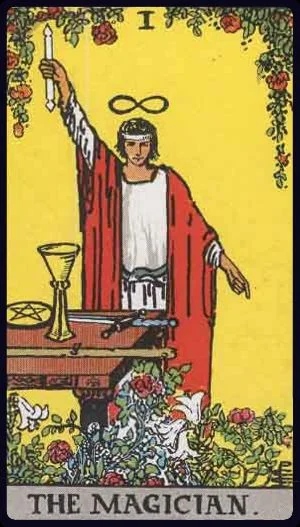
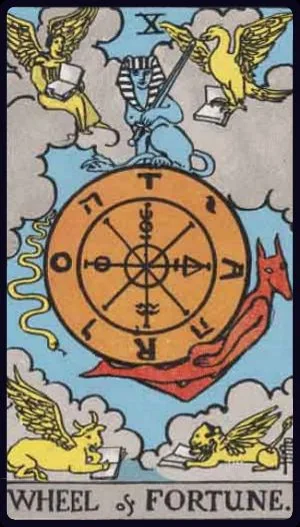
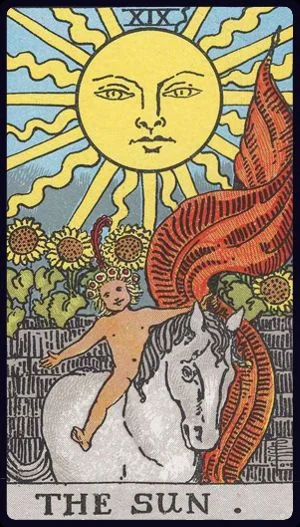
1 — Will and focused consciousness
the Magician (1), the Wheel of Fortune (10), the Sun (19).
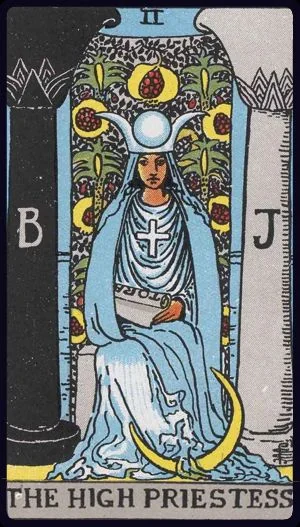
2 — Intuitive awareness
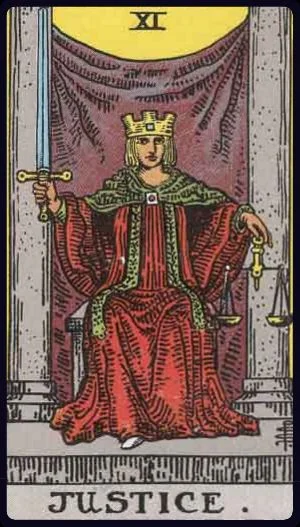
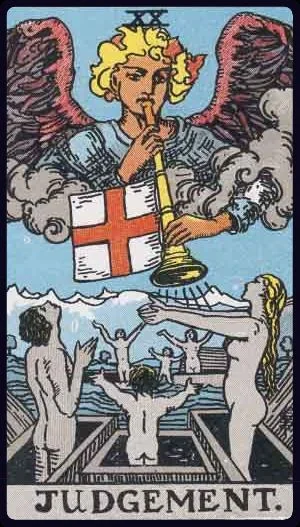
the High Priestess (2), Justice (11), Judgement (20).
3 — Love and creative imagination
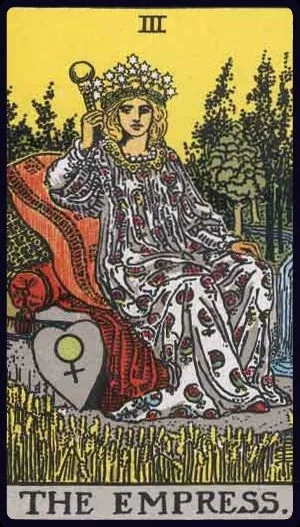
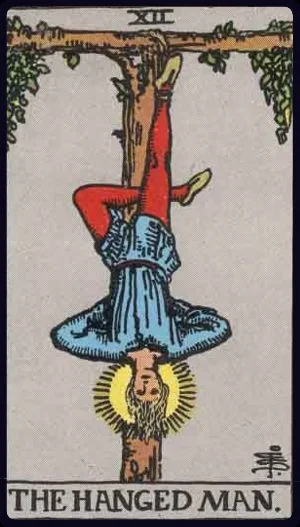
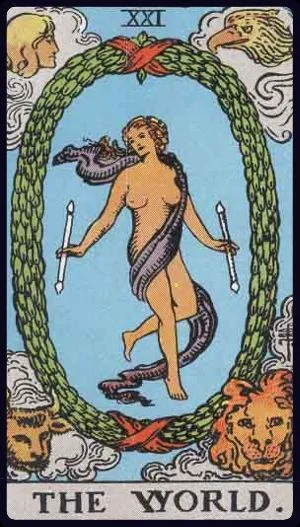
the Empress (3), the Hanged Man (12), the World (21).
4 — Life force and the realisation of power
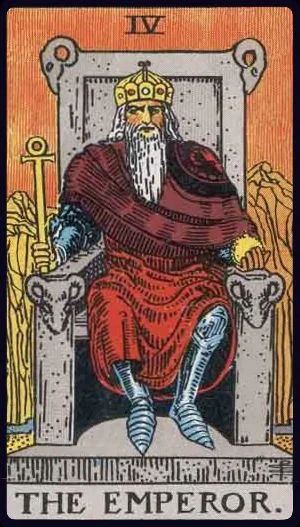
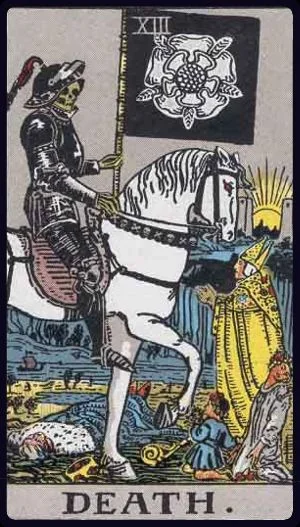
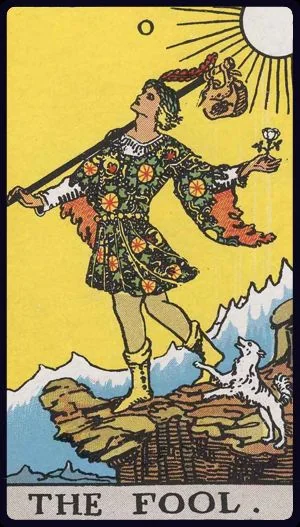
the Emperor (4), Death (13), the Fool (22/0).
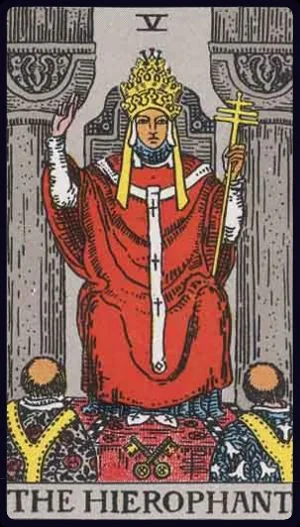
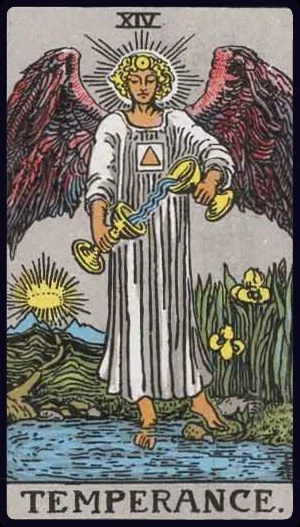
5 — Teaching and learning
the Hierophant (5), Temperance (14).
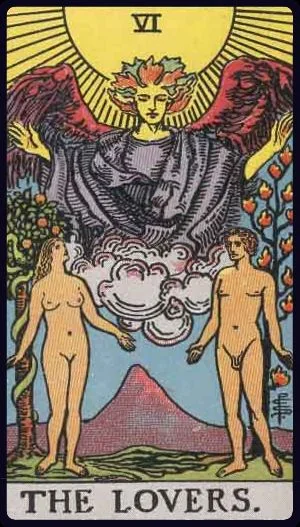
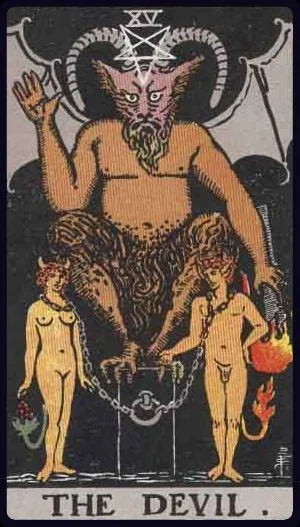
6 — Relationship and choice
the Lovers (6), the Devil (15).
7 — Mastery through change
the Chariot (7), the Tower (16).
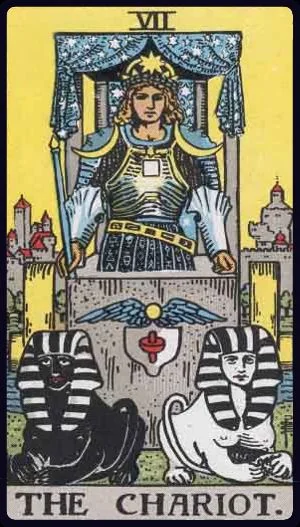
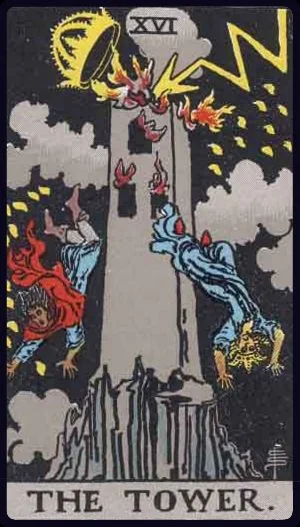
8 — Courage and self-esteem
Strength (8), the Star (17).
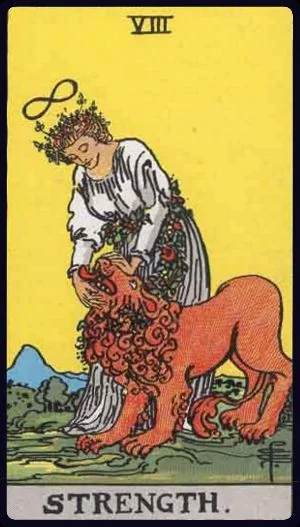
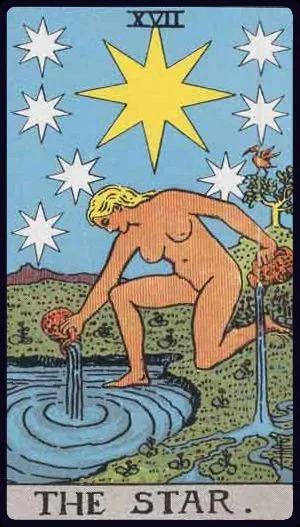
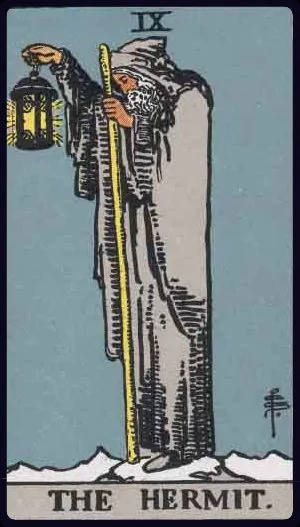
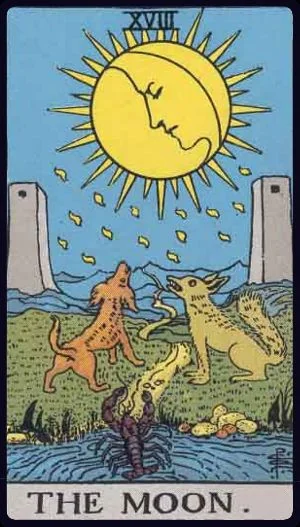
9 — Introspection and integrity
the Hermit (9), the Moon (18).
Your practice
Start with your own family shown above. For a current situation, choose what each member contributes and name one action you could try. The table is a reference for all nine families; you do not need to memorize it.
Key points
- The nine families
- Start with your own family shown above.
SOURCES & READING
- Mary K. Greer, "Tarot Constellations: Patterns of Personal Destiny" (1987)
- Mary K. Greer, "Who Are You in the Tarot?" (2011)
- Angeles Arrien, "The Tarot Handbook" (1987)
- Mary K. Greer, "Tarot for Your Self" (1984)